
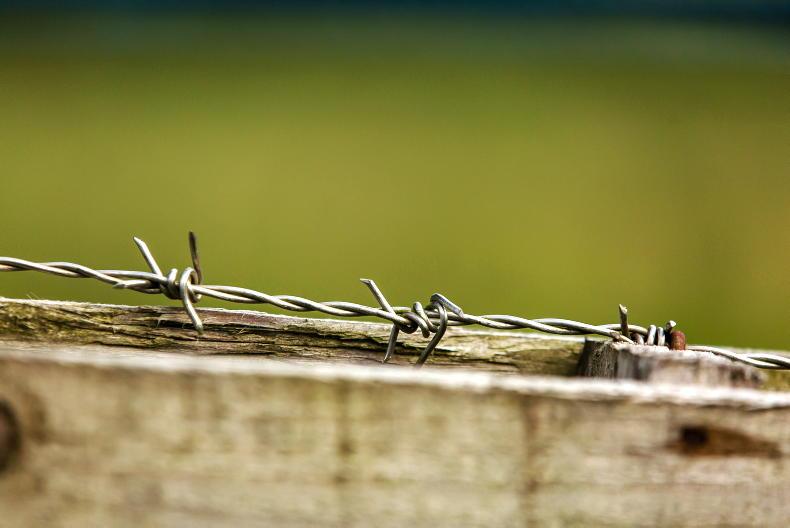
The inclusion of stock-proof barbed wire fencing and electric ‘no-fence’ virtual collars for cattle, sheep, and goats for grant aid in 2027 has been sought by Clare Fianna Fáil TD Cathal Crowe.
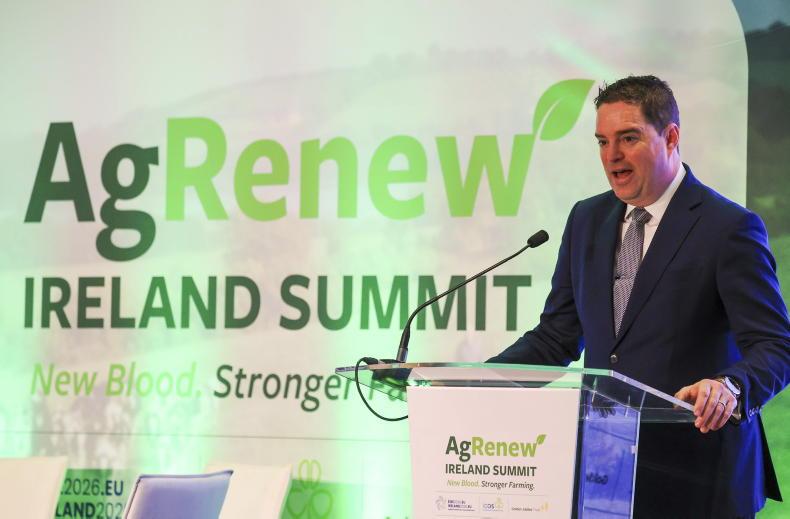
Deputy Crowe made the submissions to the Department of Agriculture’s recent public consultation on future on-farm capital investments.
He called on the Department to “modernize” the Targeted Agricultural Modernisation Scheme (TAMS) to reflect the practical realities faced by Clare’s agricultural sector.
"As a farmer myself, I understand firsthand the daily logistical and safety challenges of managing livestock on commonage, uplands, and heavy terrain," said Deputy Crowe.
Deputy Crowe highlighted what he called "a major contradiction" in current Department policy regarding physical infrastructure.
"While bovine electric fencing is already included under TAMS 3, conventional barbed wire fencing remains strictly excluded. This makes very little practical sense.
"On the rough, boundary-heavy terrain common across Clare, electric lines frequently go to ground due to dense overgrowth, heavy winds, or challenging landscapes.”
Public safety
The Clare TD said that from a "public safety point of view, barbed wire fencing is arguably far more important”.
“A secure, physical barbed wire fence is the most reliable way to prevent cattle breakouts, keep out-boundaries completely stock-proof, and ensure our public roads are safe for everyone.”
He called for a TAMS programme that “prioritises real-world safety”.
“By subsidising both cutting-edge virtual fencing and essential stock-proof barbed wire, the Department can deliver a balanced framework that protects communities, motorists, and livestock into 2027 and beyond,” he stated.
Virtual fencing
Virtual fencing technology, using GPS-tracked electric collars, is a game changer for animal welfare and biodiversity, according to Deputy Crowe.
“It allows farmers to manage grazing patterns remotely, preventing overgrazing on sensitive ecosystems. However, the high upfront cost means the Department must come forward with TAMS funding to make this innovation accessible to family farms."
The Department of Agriculture is currently reviewing consultation feedback to shape future capital investment frameworks.