
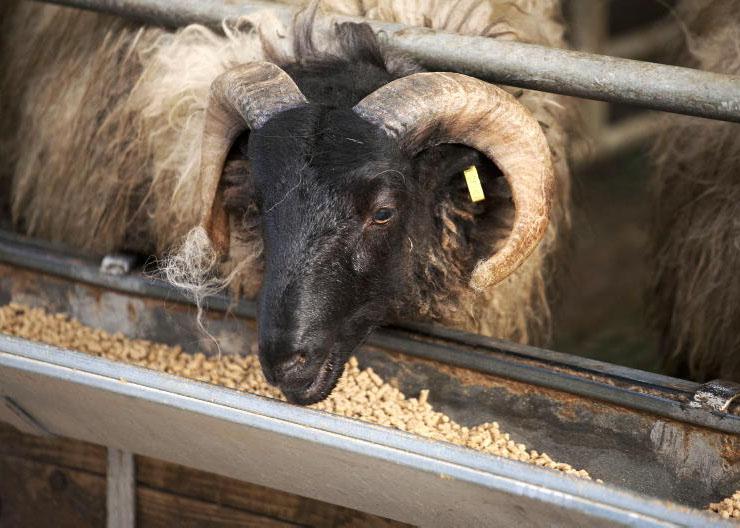
The loss in performance from underlying health issues is often masked somewhat by feeding an intensive finishing diet, but no amount of feeding can undo the loss in potential output. Below are 10 easy tips which can help ensure performance is maximised.
1 Quarantine protocol
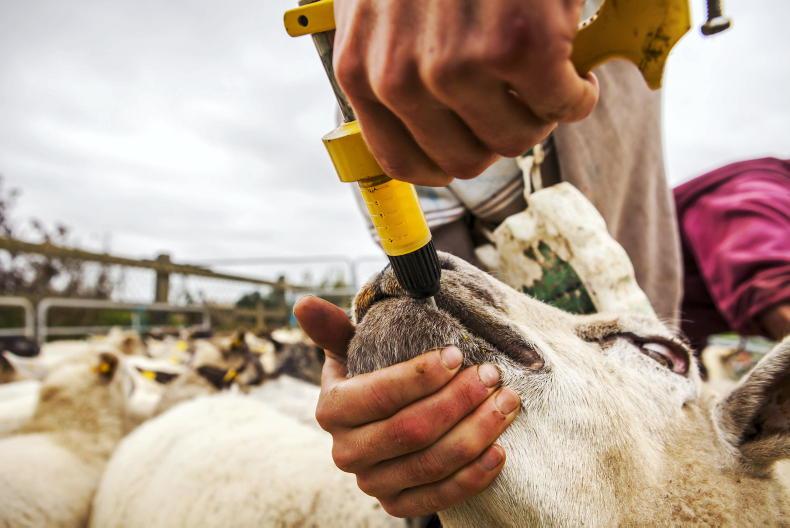
Quarantine lambs on arrival and administer treatments for gastrointestinal worms, liver fluke where applicable and investigate any suspect cases of lameness paying particular attention to contagious ovine digital dermatitis.
2 Address lameness
Any issues with lameness are also best addressed pre-housing. If lame sheep are housed then segregating will reduce the spread risk and facilitate easier targeted treatment. Regular footbathing will help to keep a lid on issues establishing and spreading.
3 External parasites
Plunge dipping is the optimum control option. If dipping is not an option, correctly identifying if sheep scab or lice is present is paramount. Injectable products from the macrocyclic lactone group can be used to target scab but note this will also treat gastrointestinal worms and if not warranted will contribute to the development of anthelmintic resistance. Pour-on products can be used to target lice.
4 Clostridial vaccination
Housing is a marked change in environment which can act as a stress trigger for clostridial diseases. Vaccination is especially relevant to longer-keep lambs that will remain on farm for six week plus with a full vaccination course required for maximum immunity. Administer the initial vaccination in advance of housing where possible.
5 Training to eat concentrates
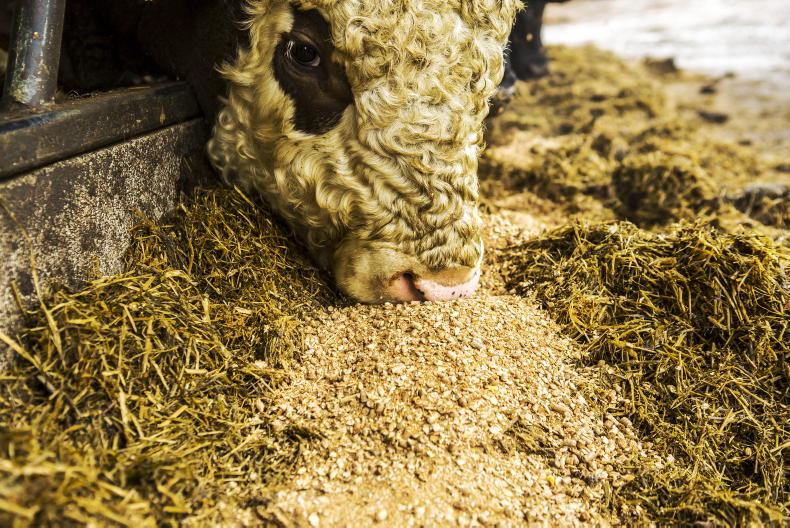
Having lambs trained in to eating meals in advance of housing will lead to a much smoother transition from an outdoor to indoor environment. Once housed lambs should be monitored closely as if dealing with hill lambs there will inevitable be shy eaters which refuse to eat and may need to be released back outdoors or penned on their own.
6 Ration formulation
Where male lambs are being finished including ammonium chloride for long keep lambs will help to prevent urinary calculi. The inclusion rate is 0.5% or 5 kg per tonne. There is technically no need for a forage source if the crude fibre content if upwards of 7% but offering access to a limited forage supply will help greatly to avoid digestive upsets.
7 Space allocation
Ventilation and adequate lying /feeding space are integral to good performance. Light hill lambs need to be allocated at least 0.5m2, rising to 0.8m2 for heavier lambs weighing from 45kg to 50kg. Lambs need up to 30cm of trough space with higher allowances important when getting lambs accustomed to feed and building to ad lib feeding.
8 Water supply
Animals on a high level of concentrates need access to an ample supply of clean water. Troughs erected for ewes at a height of 0.5m to 0.6m above ground level may be too high for small lambs. Placing a couple of blocks on their flat alongside the water troughs is useful to allow lambs to access troughs.
9 Feed management
Ideally lambs should be offered slightly above intake levels to avoid meal going stale. Lambs on ad lib feed should never run short of feed.
10 Other disease risks
In recent years there have been some issues reported due to tapeworm infection of lamb carcases and carcases rejected due to the presence of tapeworm cysts in the muscle or organs of infected sheep. Control centres on prevention and canine infection can be eliminated with regular worming and keeping dogs of sheep pastures / away from sheep feed. Carcases should be disposed of immediately and if stored pending disposal restrict access to dogs or wildlife.